From navigating household chores to managing shared finances, relationships inevitably come with their fair share of tension. While quiet date nights and honest conversations are essential for maintaining a connection, sometimes you just need to move. Boxing, specifically pad work, offers a unique outlet for couples to channel stress into productive, rhythmic movement. It’s not about fighting each other; it’s about working together to build coordination, trust, and a serious sweat.
Often viewed as a solitary or aggressive sport, boxing is actually deeply rooted in communication and rhythm. When you introduce pad work into the mix, you create a dynamic dialogue between partners. One person leads with the pads, dictating the pace and combinations, while the other responds with strikes. This requires an intense level of focus that naturally pushes aside the nagging worries of the day. For thirty minutes, the only things that matter are the snap of the glove against the pad and the sound of your partner’s breathing.
The basics of pad work for beginners
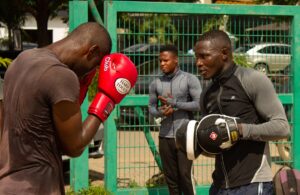
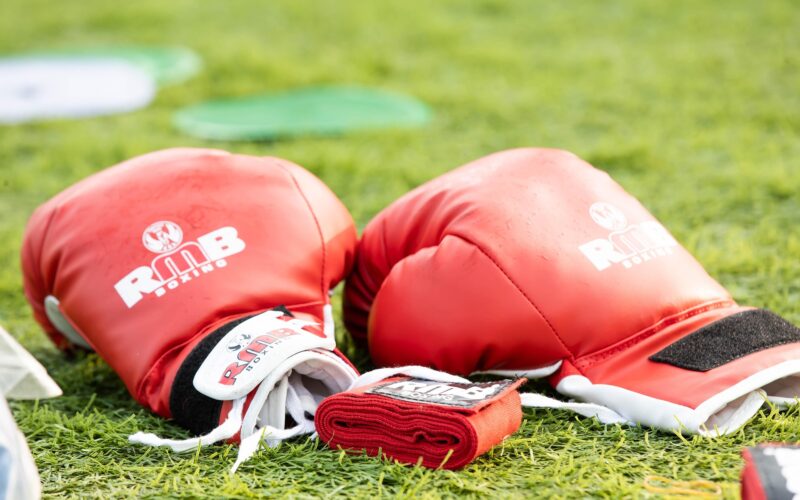
Before you start throwing heavy hooks, it is crucial to establish a safe foundation. You will need a pair of boxing gloves and a set of focus mitts (pads). The person holding the pads—the "feeder"—has just as much responsibility as the striker. To hold pads correctly, keep your elbows tucked in close to your ribs and your palms facing slightly inward. When your partner throws a punch, you should meet the glove with a tiny amount of resistance rather than keeping your hand limp or slapping forward aggressively. This resistance creates that satisfying 'pop' sound and protects both of your joints from hyperextension.
Start with the absolute basics: the jab and the cross. For the jab (the lead hand), the pad holder should present their corresponding hand (left pad for a left jab). For the cross (the rear power hand), present the opposite pad. Work on a simple "one-two" rhythm. Jab, cross. Reset. Jab, cross. Reset. This repetition might feel simple, but it forces you to synchronise your movements. If one person speeds up while the other slows down, the rhythm breaks. Finding that flow state together is where the real stress relief happens—you are physically tuning into each other’s frequency.
Building trust through movement
Beyond the physical workout, boxing fosters a unique kind of non-verbal trust. When you are striking, you are trusting your partner to catch the punch safely. When you are holding pads, you are trusting your partner to aim correctly and control their power. It is a vulnerable exchange. You quickly learn to read each other's body language—noticing when your partner is tiring, when they are frustrated, or when they have a burst of energy to burn. Adjusting to these cues builds empathy in a way that sitting on the sofa simply cannot replicate.
Turning stress into sweat
The physiological release of hitting pads is undeniable. Physical exertion triggers the release of endorphins, the body's natural mood lifters, while simultaneously reducing cortisol, the stress hormone. After a long week of work deadlines or family obligations, visualising that stress leaving your body with every exhale and strike can be incredibly cathartic. It transforms nervous energy into focused power. Instead of bringing work frustration to the dinner table, you leave it on the mats.
By the time you pull off the gloves, you are likely to feel lighter, clearer, and more connected. You have accomplished a physical task together, supported each other through fatigue, and likely shared a few laughs over missed combinations. It transforms exercise from a chore into a shared ritual of resilience. So, the next time the tension rises, grab the pads. You might find that the couple that boxes together, stays together.